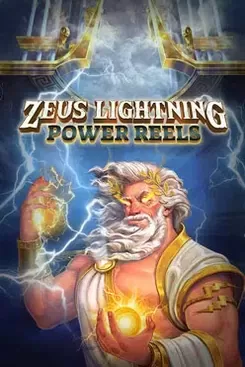
Power Reels games use expanding reel layouts and bonus-led pacing to create more ways to land prizes as play develops. The catalogue has 10 titles, with free demos and no sign-up needed before testing stakes.
Power Reels is a reel-expansion style mainly linked with Red Tiger, where the grid can open up and increase win potential without pushing every title into extreme variance. For me, medium variance lands in the useful centre: it gives real top-end reach without turning the hit rate too harsh. That is why the format has stayed visible in 2026.
Different studios may describe similar ideas as expanding reels, growing grids or enhanced reel sets, but the player effect is close: more positions can become active after a trigger or during a bonus. The appeal is practical. The games feel neither flat nor chaotic, and the risk sits between low-volatility repetition and high-volatility waiting.
How the mechanic changes play
Most titles built around Power Reels use a standard spin cycle first, then let the feature increase reel height, add extra symbol spaces or improve bonus potential. That can lift the ceiling without making every spin feel empty. I prefer this structure because the feature has a visible effect on the grid, not just a hidden maths change.
Dragon's Luck Power Reels is usually the cleaner place to understand the format, while Jingle Bells Power Reels adds a seasonal theme without changing the core appeal. Thor's Lightning and Pirates' Plenty Battle for Gold suit players who want a stronger bonus focus. I rate the group as steady enough for longer sessions, yet still capable of meaningful spikes.
RTP and payout profile
Across the current catalogue, the average RTP is 95.95%, which is acceptable but slightly below the 96% line many UK players use as a quick filter. That matters. A lower configured version can reduce long-run value even if the bonus looks identical. I would always open the information screen before using real money.
Average max win sits around 5,623x, but that figure is only a rough category guide because individual caps vary sharply. It should not be used as a ranking shortcut. What matters more is the trade between regular returns and bonus ceiling; here, the hit rate and upper range meet closer to the middle than in many high-risk formats.
Medium volatility in practice
Balanced staking suits this category better than aggressive chasing. A practical test is 80 to 120 spins in demo mode at a stake you would actually use, then compare how often the feature appears and how your balance moves between bonuses. The swings exist, but they tend to remain manageable when the stake is modest.
FAQ
What is a Power Reels slot?
A Power Reels game uses an expanding or enhanced reel layout to create more active positions during certain parts of play. The format is strongly associated with Red Tiger, with examples such as Dragon's Luck Power Reels and Jingle Bells Power Reels.
Can you play Power Reels games for free?
Free demo play is available for the 10 listed games, and no sign-up is needed to test them here. Demo mode is useful because the feature timing and balance movement are easier to judge before any real-money stake.
What is the average RTP for this category?
The category average RTP is 95.95%. That is reasonable, but I would still check each paytable because Red Tiger titles may be supplied to casinos in more than one RTP configuration.
Which provider is most linked to Power Reels?
Red Tiger is the leading provider for this mechanic in the current catalogue. Titles to compare include Thor's Lightning, Tiki Fruits Power Reels and Pirates' Plenty Battle for Gold.
Are Power Reels games high volatility?
The category sits closer to medium volatility than extreme high-risk play. The average max win is 5,623x, so there is upside, but the pacing is usually more controlled than all-or-nothing bonus formats.
All our content is written by our editorial team and checked before publication. We play the games ourselves, verify licences and withdrawal terms, and update every review as soon as something changes.
Under the supervision of Editor-in-Chief Mark Rylance